Posts

Showing posts with the label veterinary services near me

Equine Ulcers: Symptoms and Diagnosis
Image
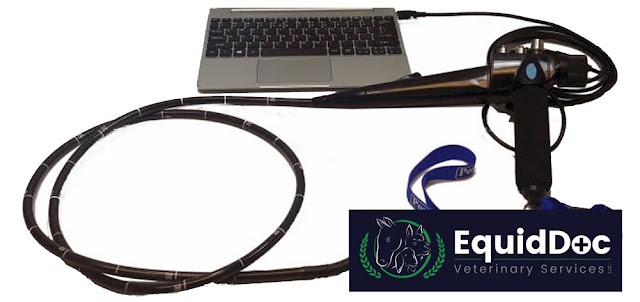
Earlier, stomach ulcers were a problem for racehorses or highly stressed animals. However, even a non-racing horse can be susceptible to it. A horse having an equine ulcer shows symptoms of colic, decreased appetite, behavioral changes, etc. If your horse shows any of these signs, ensure that you visit the veterinary services .  Read this article to understand the equine ulcers, the symptoms, and the diagnosis. https://www.equiddocvet.com/equine-ulcers-not-just-a-show-horse-issue/

Top 10 Tips to Follow To Provide Horses Oral Medications

Image
It’s quite tough to get your horses to take their medication. When it comes to eating pills, they become really stubborn. Nevertheless, administering a precise dosage of medicines is really imperative to your horse’s health. Sometimes, you might need veterinary services in MA to give your horses prescribed oral medications.  Veterinarians in Worcester, MA , suggest grabbing an oral syringe in case your horse is choosy when it comes to taking its medication. Instead of administering the medicines intravenously, give them orally. And this process makes sure all the medication is consumed properly, not half eaten or ignored.  10 Useful Tips to Provide Your Horses Oral Medications  Powder medicines come in different flavors and are easy to feed your horse. Due to the flavors, some horses don’t create any mess and eat them with no hassle.  When you are feeding pills instead of powders, just crush them. You can utilize a coffee grinder or a clean mo...

What Should You Have on Hand to Provide Basic First Aid to Your Pet?

Image
A thermometer: One of the most important things you can do before you call us is to take your animal's temperature. For horses and camelids normal is 99-101.5F. Normal for sheep and goats is 101-104F. Anti-inflammatories: We always recommend that you have either bute or banamine on hand to administer as directed. Timely administration of these medications can help prevent swelling and help control pain while we are on our way. Please ALWAYS call us before giving these types of medications. Gloves: We recommend having a clean pair of exam gloves on hand for wound cleaning or medication administration. Be careful what you touch with your dirty barn hands! Antiseptic and bandage material: You should have a few items available to clean and protect a wound prior to further evaluation. We recommend betadine/iodine scrub (diluted with water) and gauze pads for initial wound cleaning. For bandaging material, place a sterile non-stick pad directly against the wound, a thick cotton lay...

Health Tips for Goats Eat Strange Things

Sheep and goats often eat strange things which they shouldn’t. Ideally, sheep and goats should eat forage (Hay, Grass). Adding grain to their diet can add complications to health. Grain feeding leads to mineral imbalance, especially in males, causing urinary obstruction. This is ultimately an emergency condition for the sheep and goats that can lead to bladder rupture. Grain feeding also leads to obesity. Unlike horses, sheep and goats have different diets to stay healthy. Feed the goats and sheep what is best to maintain a healthy condition. Learn More:  https://www.equiddocvet.com/goats-eat-strange-things-but-they-shouldnt/

Important Factors that Protect MA From Contagious Diseases

Image
People often prefer to buy a horse online as it is more convenient than visiting the site and buying. However, this leads to overlooking some of the important factors that can spread contagious diseases, especially in Massachusetts. Veterinarians in MA have created guidelines to help you protect yourself and your horses. This includes getting the health certificate, perform a Coggins Test, and other factors. So, it is your responsibility to take these factors into consideration.  Read More: https://www.equiddocvet.com/only-you-can-protect-ma-from-contagious-diseases/